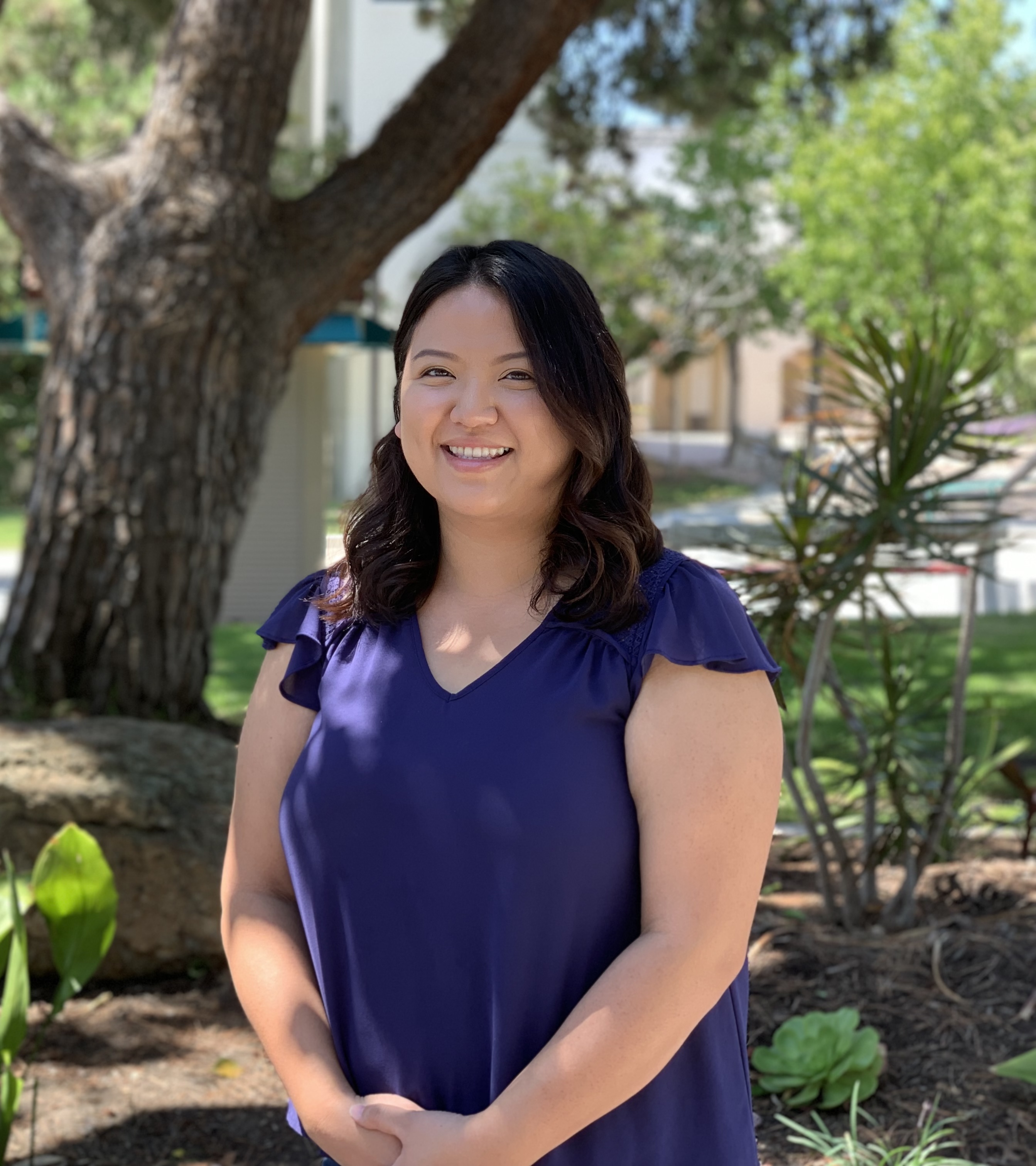
I've spent years on the other side of the desk.
For most of my career, my job was to help people find their way through systems that weren't built for them — enrollment, advising, graduation requirements, the hold on your account you didn't see coming. I've sat with the anxious first-year, the returning parent, the student one form away from giving up.
So when I design a flow now, I'm not imagining the person on the other side of the screen. I've met them. Many times. That's the instinct I brought into UX, and it's the one I trust most.
// What a decade in education gave me
How to listen for the real problem
The thing someone asks for is rarely the thing they need. Advising trained me to hear the problem underneath the problem.
How to make hard things learnable
I lectured to rooms of eighty to a hundred students. If you can teach a capstone, you can make an interface make sense.
How to turn data into a decision
I surveyed trends to find at-risk students and presented the findings to leadership. Research only matters if it moves someone to act.
How to move an idea through a room
As a student-government CEO I advocated for change at the university and state level. I know how to get buy-in, not just consensus.
What I believe about design
I believe good design is inclusive and accessible — and that isn't an abstract principle for me. Several people in my family are color blind, so I grew up watching them get locked out of things that were never designed with them in mind. Accessibility is the first question I ask, not the last box I check.
I'm also, unapologetically, a process person. Advising taught me that the experience is the whole journey, not just the moment someone touches your product. I map the system, find where people fall through, and design the path that catches them. I came back to UX because I missed being creative — but what kept me here is that UX is creative and strategic. It has a process. I like that it has a process.
How I work
I work best across roles. At ABIRC I was the only designer, which meant translating between small-business vendors, community members, and internal staff — and shipping anyway. In higher ed I facilitated trainings and workshops, coordinated research across departments, and presented findings to executive leadership. I'm comfortable being the person who sits between the people with the need and the people with the power, and makes sure they actually understand each other.
I think with my hands. I sketch, I sew, I make things to figure them out. And I'd rather show you a rough version early than protect a perfect one in private.
// Where I'm different
What you can't get from a bootcamp alone
I've been the user
A decade inside higher education means I design for students, advisors, and administrators as someone who has been all three.
I own the whole thing
At ABIRC I ran the research, the design, and the website itself — solo, end to end, on real timelines and a real budget.
I do research in two languages
Institutional data analysis on one side, human advising conversations on the other. I trust both, and I know how to connect them.
Accessibility is lived, not learned
It came from my family, not a curriculum. That makes it a design reflex, not a compliance step.
I speak stakeholder
Teaching, facilitation, and a public-policy background taught me to move ideas through rooms — not just present them in decks.
I build for community
I speak Hmong and have deep community ties. I design with the people I'm designing for, not just about them.
When I'm not designing
I'm a lover of learning first and always. Beyond that, I'm a serious foodie (most of my budget has strong opinions about food), a paper crafter and maker, adventuring with my pups, a writer who processes life by putting it into words, and someone who takes Friday-night video games seriously.